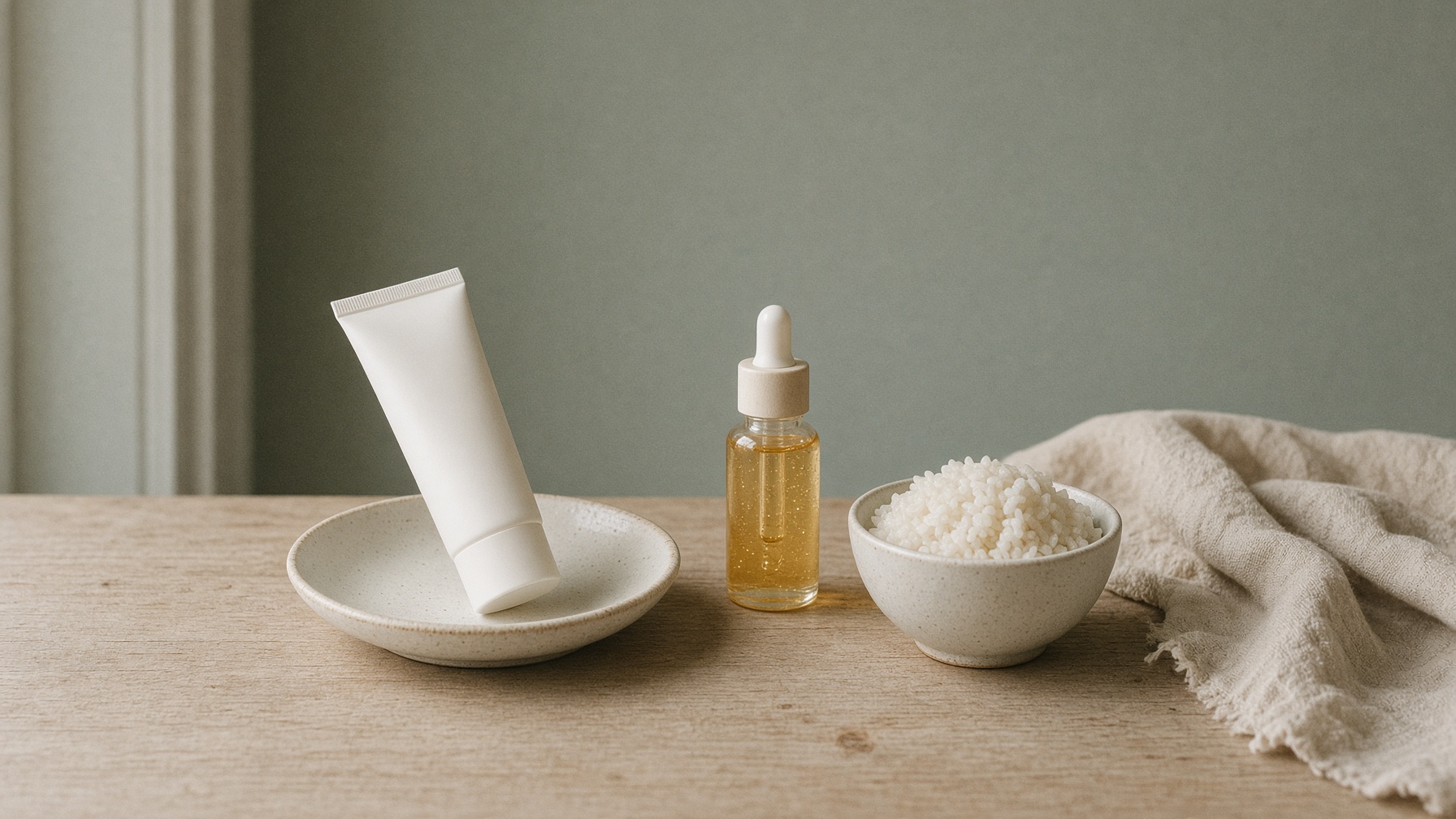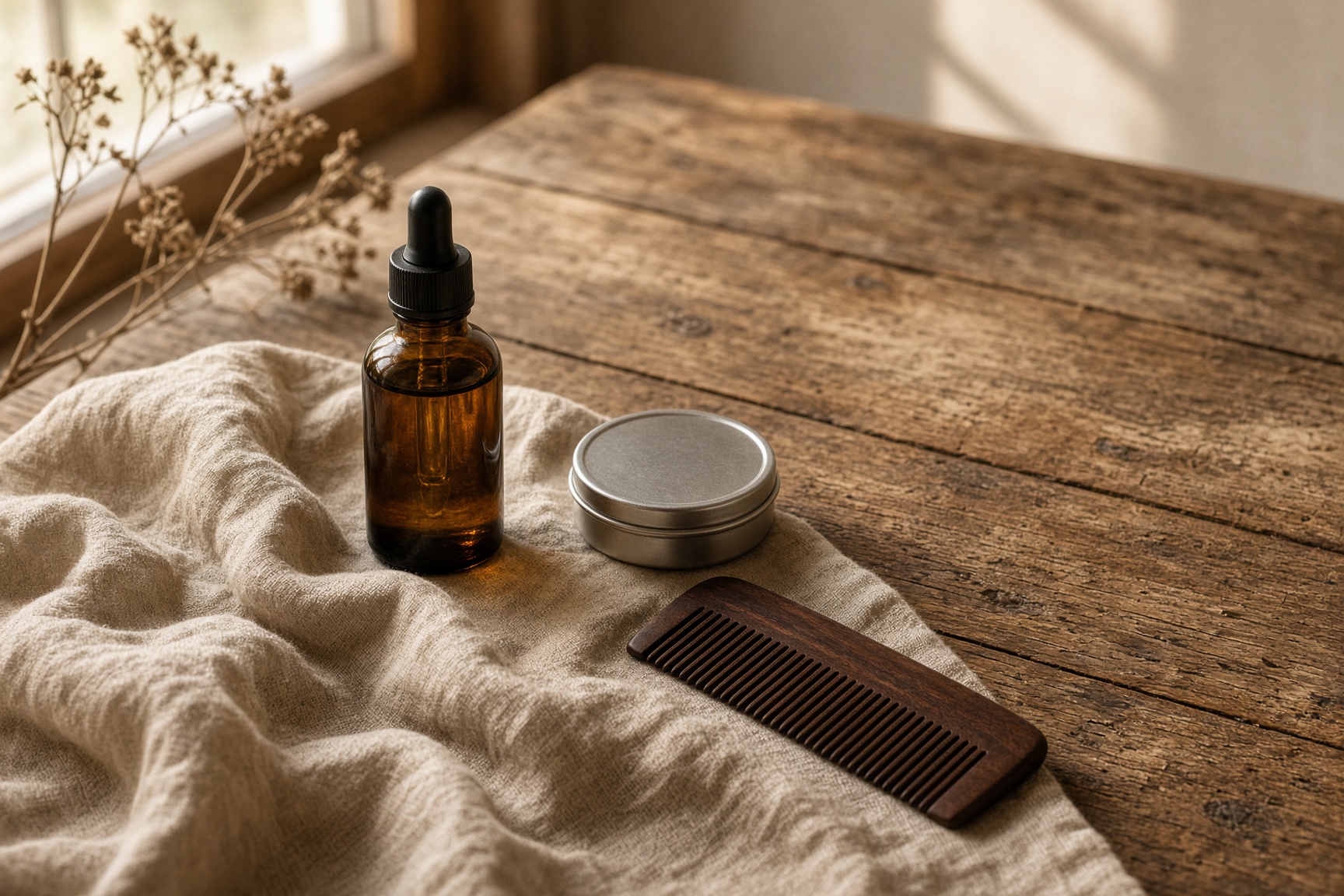
A beard is not a costume. It is hair growing out of living skin, which means the work is closer to skincare than to mythology. Most beard brands sell the mythology first: axes, fjords, a promise that a bottle will thicken what genetics already decided. Striking Viking, sold through Viking Beard Gear, is louder than Oriel usually likes. It is also cheaper than the luxury sets, built around oils that actually belong on a face, and complete enough that a first beard does not need three shops.
This piece contains affiliate links to Striking Viking. If you buy through them, Oriel may earn a commission. The price you pay does not change. We still say when a claim is marketing rather than a fact we can stand behind.
We read the lineup as it stood in late summer 2026: oils, balms, washes, biotin growth kits with a 0.25 millimetre derma roller, sandalwood combs, a boar-bristle brush, and a filler pen for gaps you would rather not wait on. Here is the useful version.
What the brand actually is
Striking Viking is a men’s grooming house. The shopfront at Viking Beard Gear carries the bottles, the kits, and the tools. Some product pages say the formulas are made in a GMP certified facility and lean on argan oil, jojoba oil, shea butter, biotin, and sandalwood. The house also claims free US shipping on larger orders, returns within 30 days through wecare@vikingbeardgear.com, and that it sends 1 percent of proceeds toward forest conservation. Those are company statements. Treat them as policy, not poetry.
The brand voice is Viking on purpose: proud, mature, built for adventure. Ignore that if it bores you. The products underneath are ordinary in the best sense. A 2 ounce dropper of oil. A tin of balm. A wash that uses argan and jojoba. Scents you already know how to live with: sandalwood, vanilla, cedarwood, citrus, a Blue Ocean that reads as sea air, peppermint and eucalyptus, and unscented for anyone whose skin argues with fragrance.
A beard is skin plus hair. Oil feeds both. A roller is optional. A story about Vikings is not a formula.
The chemistry that earns its keep
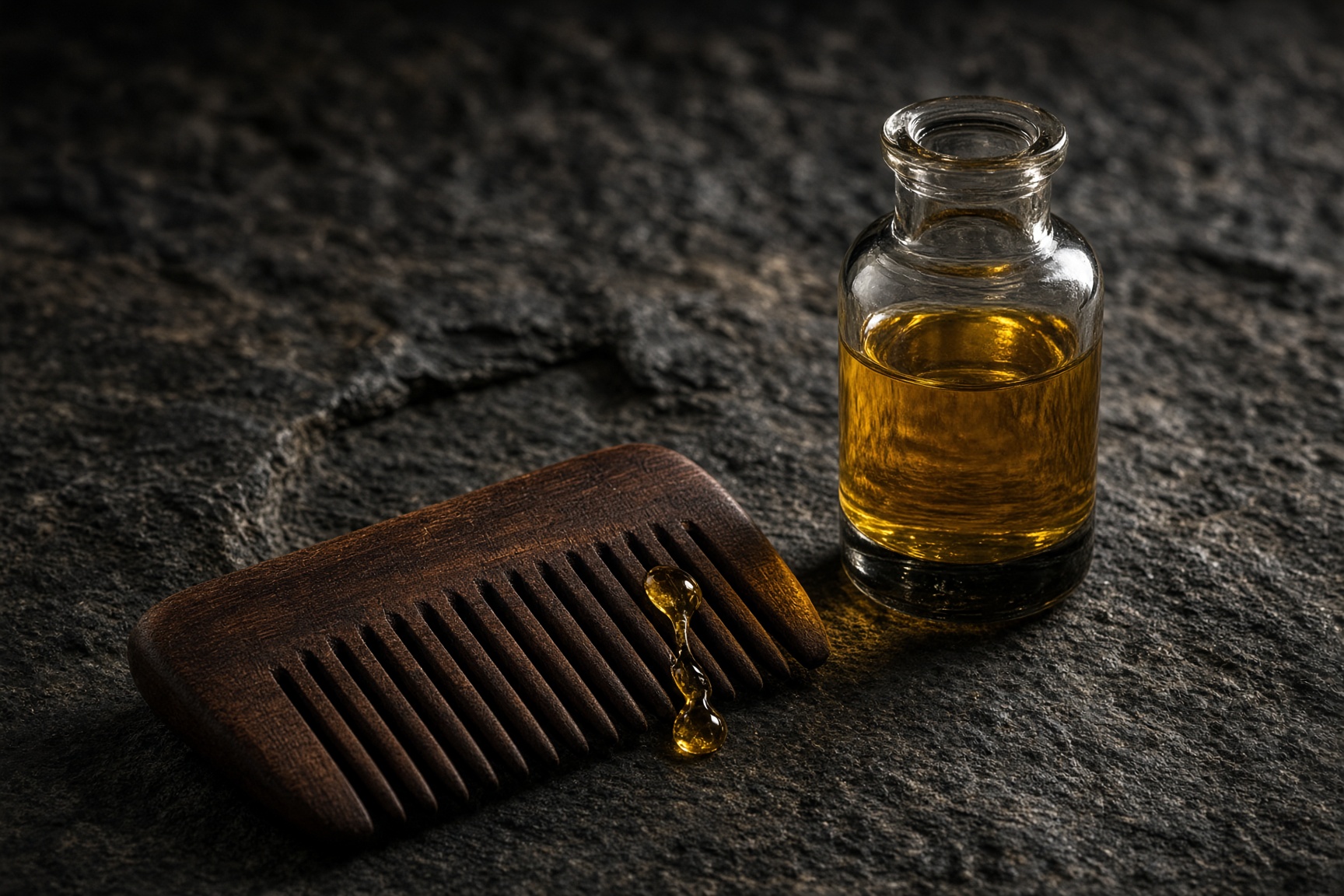
Jojoba oil is the quiet star of this category. Its wax esters sit close to human sebum, so it conditions the hair without the heavy film some nut oils leave, and it is one of the better options for the dry skin that lives under a beard. Argan oil brings oleic and linoleic fatty acids, which is why coarse hair looks less straw-like after a week of it. Shea butter, in the balms, is an occlusive. It holds water in. That is why a balm tames flyaways in a way a thin oil cannot.
Castor oil shows up in some of the growth oils. It is thick, ricinoleic, traditional. The evidence that it grows new follicles in a man who was never going to fill a patch is thin. The evidence that it makes existing hair look denser and feel softer is better. Vitamin E and tea tree appear in reviewer breakdowns of certain scents. Tea tree can bother reactive skin. If your face has ever gone red at a “natural” blend, start unscented.
Biotin is vitamin B7. The brand leans on it hard. Oral biotin can help hair if you are deficient. Most people who eat a normal diet are not. Topical biotin in an oil is not a prescription minoxidil. It is a reasonable supporting ingredient in a moisturising serum, not a guarantee that a patch will close. Striking Viking’s own customers say as much: the scent arrives on day one, the biotin “takes time,” and some of them are still waiting. That is the honest timeline.
Oil, balm, and wash
Buy beard oil if your beard feels like rope and the skin beneath it itches. Two or three drops in the palm, worked through damp or dry hair down to the skin, once a day. The variety four-pack (citrus, vanilla, cedarwood, sandalwood) sat around 23 dollars in 2026 and is the least wasteful way to find out which scent you can stand at close range. Unscented exists. Use it if you share a pillow with someone who has opinions.
Buy beard balm if you need shape. Balm is oil plus butter plus, in this category, enough grip to keep a cheek line from exploding by noon. A pea-sized swipe, warmed in the fingers, combed through. The four-pack of balms was priced in the same modest band as the oils. Do not use balm as a substitute for washing. It sits on top.
The shampoo and conditioner sets with argan and jojoba are the part of the routine most men skip until the itch wins. Face soap strips a beard. A dedicated wash does not have to be elaborate. Two or three times a week is plenty for most lengths. Daily washing is how you get the dry, wiry thing you then try to drown in oil.
The growth kit, without the spell
The sandalwood and vanilla growth kits bundle a biotin oil with a 0.25 millimetre derma roller and a hard case, listed around 20 dollars. That needle length is the cosmetic, at-home size. You should feel a light tingle, not blood. Clinic work on hair often uses longer needles, under a professional, with a different risk profile. 0.25 millimetres is safer for a bathroom cabinet. It is also less dramatic than the copy.
The brand says the roller “activates dormant follicles” and that micro-channels let serum penetrate far deeper than a surface rub. Treat the percentages on the product page as advertising. What a short needle can reasonably do is raise local circulation a little and help a thin oil sit where you put it. What it cannot do is rewrite a family tree. Patchy beards that are patchy because of hormones, scarring, or alopecia need a doctor, not a titanium drum.
If you use the roller anyway, follow the kit’s own order: clean the face, soak the roller in alcohol, roll with light pressure in two directions, then apply the oil. Do not share the roller. Do not use it over active acne, broken skin, or an infection. Customers who have run this kit for months say the same two things: do not chase it daily, and give it weeks. That matches how skin actually heals.
The tools that outlast the bottle
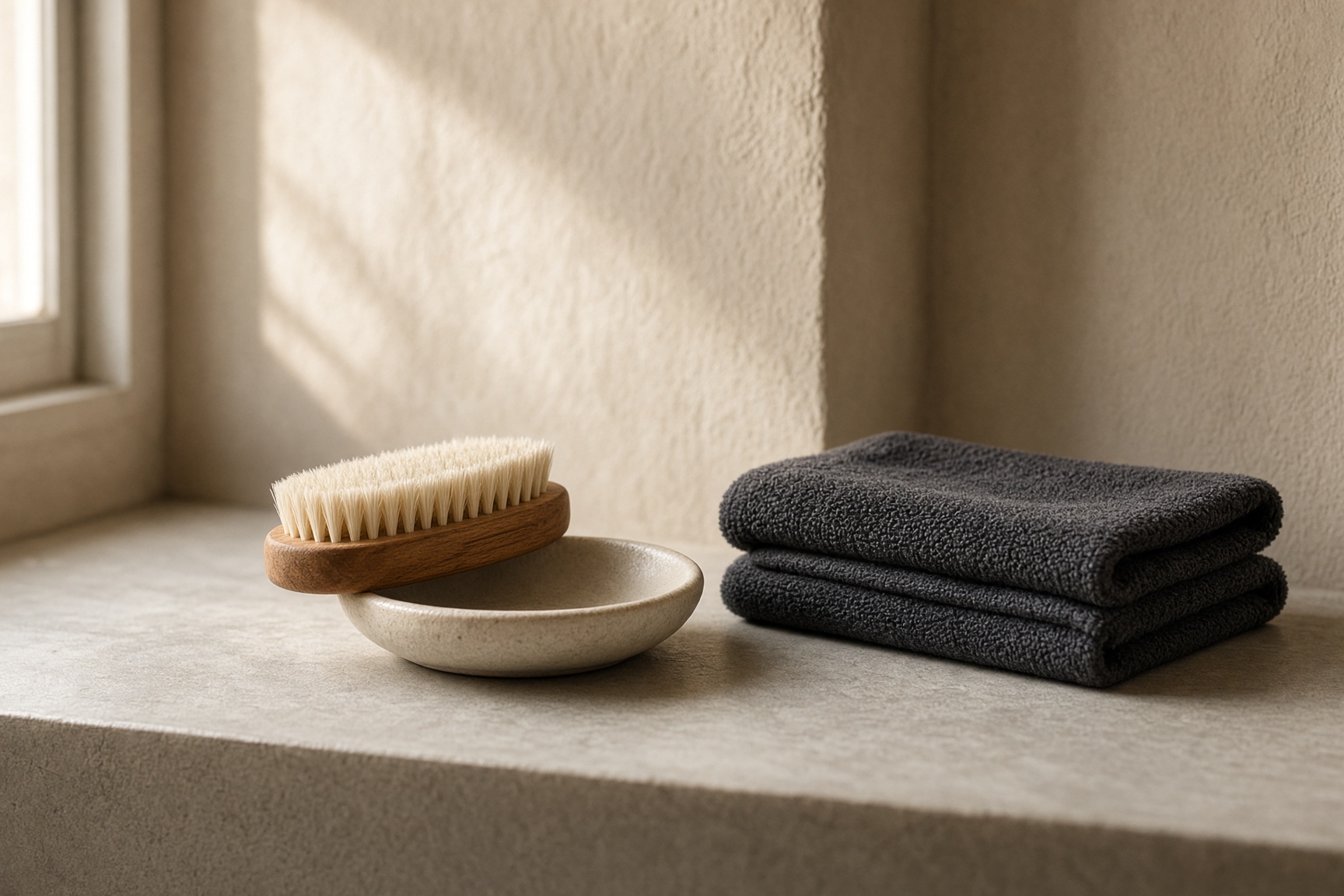
A sandalwood comb is not a personality. It is anti-static, kinder to wet hair than cheap plastic, and the folding version earns its keep in a bag. Some owners report using the same comb for years. That is the right kind of review: an object that did not snap. The boar-bristle brush on beech wood is the other tool worth owning. Bristle distributes the oil you already paid for. Fingers miss the underside of the jaw.
The beard filler pen is cosmetics, and it is honest cosmetics if you treat it that way. Waterproof, several browns and blacks, a four-tip applicator. It covers a gap for a day. It does not grow anything. If you have a wedding on Saturday and a patch on Tuesday, this is the product. If you want a patch gone by winter, look at the oil, the roller, your sleep, and possibly a clinician. Do not confuse the two jobs.
Kits, prices, and who should skip it
As of late summer 2026, single oils and balms lived in the low teens. Variety packs sat in the low twenties. Growth kits around 20. The eight-piece grooming kit with a toiletry bag, and the kit caddy, were listed near 40. That is not heritage pricing. It is the point. You can try a system without a sermon about craft.
Skip it if you already have a simple oil you like and a comb that has not split. Skip the scented line if fragrance is your enemy. Skip the growth kit if you will not sanitise a roller. Skip the filler pen if you want chemistry rather than pigment. None of those skips are moral. They are just accurate.
What to buy first
If the beard is new or neglected: oil, wash, comb. That is a complete life. The oil variety pack plus a sandalwood comb is the least silly way into the house. If the beard is already grown and wild: balm and the boar brush. If you are specifically chasing density, and you understand the limits: one growth kit, used on a schedule you can keep, not a stack of serums you will abandon in a week.
The Viking language is optional. The shelf is not complicated. Soften the hair, feed the skin, keep the tools clean, and do not ask a 20 dollar kit to do the work of a prescription. If that sounds like enough, shop Striking Viking through here. It is the same storefront. It is simply the door that keeps this journal in print.