There is a version of walking that has been colonised by watches. Ten thousand steps, a closed ring, a voice in your ear explaining a murder. That walk can be useful. It is not the one this piece is about. This is about leaving the house with no errand, no route that must be finished, and coming back slightly more like a person.
The science is not mysterious. A brisk walk lowers blood pressure, steadies mood, and does more for a stiff back than most chairs advertised as ergonomic. What the studies cannot measure is the particular quiet that arrives after twenty minutes, when the mind has run out of the morning’s first arguments and has to look at trees instead.
How to do almost nothing
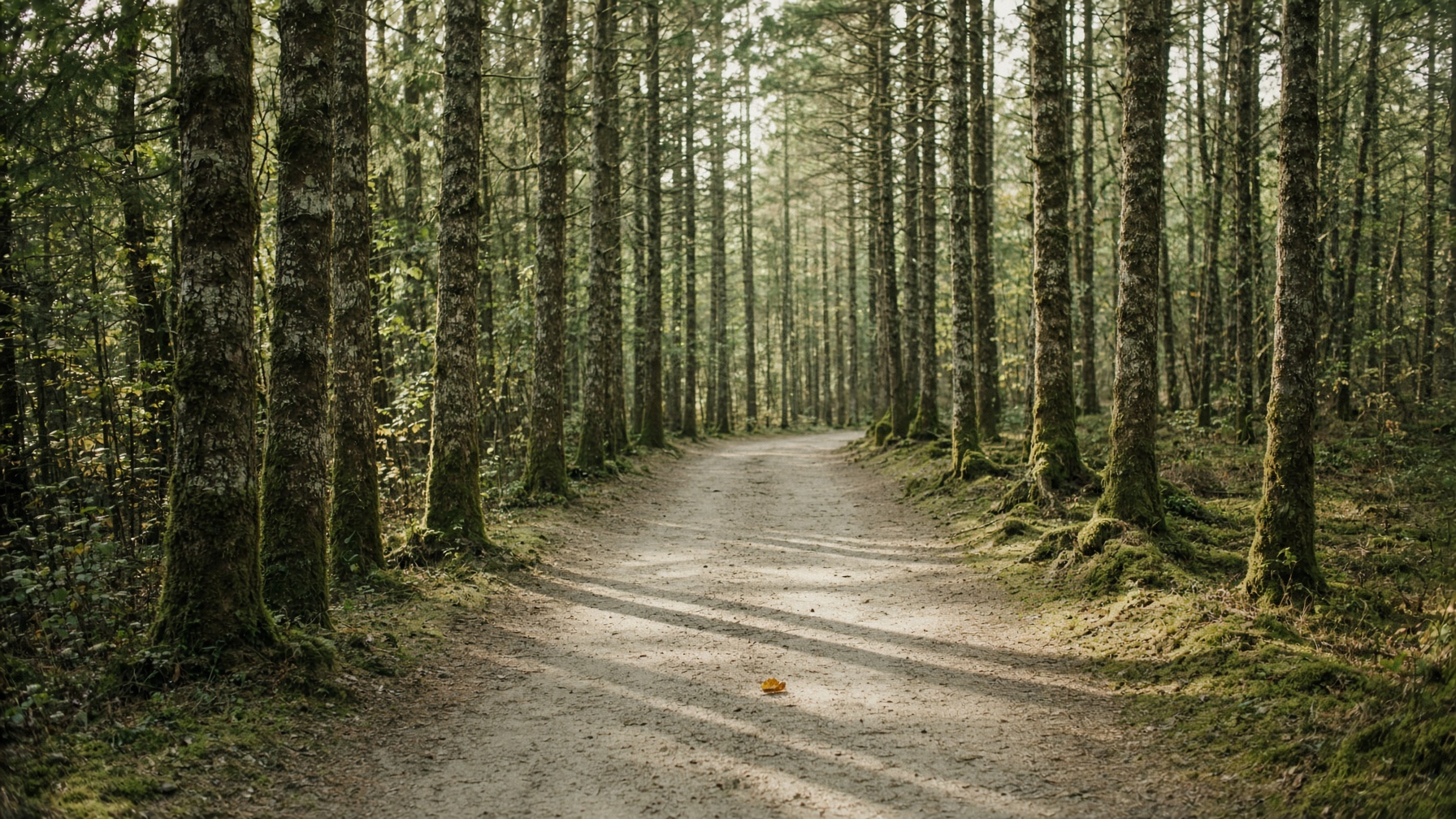
Choose a loop you could draw from memory. Twenty-five minutes is enough; forty is a gift. Leave the headphones. If that feels like a dare, take them and do not press play. Walk as if you were late for nothing. Notice which shops are still closed. Notice the same dog, the same tree that has a lean. The point is not novelty. Novelty is what the feed is for.
The walk that changes you is the one you will still take when no one is counting.
If you live in a city, the park is not a failure because it is not a forest. A circuit of the same four streets will do. Early is kinder: fewer horns, more sky. In the heat of a Delhi summer the hour after dawn is not a lifestyle choice; it is the only hour the air will have you. In monsoon, take the umbrella and go anyway. Weather is not a reason. It is the walk’s material.
What not to turn it into
Do not film it. Do not add a second walk because the first was short. Do not buy a vest until you have gone a month without one. If you need a destination to leave the house, make it a bench, sit for three minutes, and come back the long way. Recovery devices, gyms, and ambitious mornings all have their place. None of them replace putting one foot in front of the other until the day has a seam in it.